


Cloud print management is a breath of fresh air for modern IT departments.
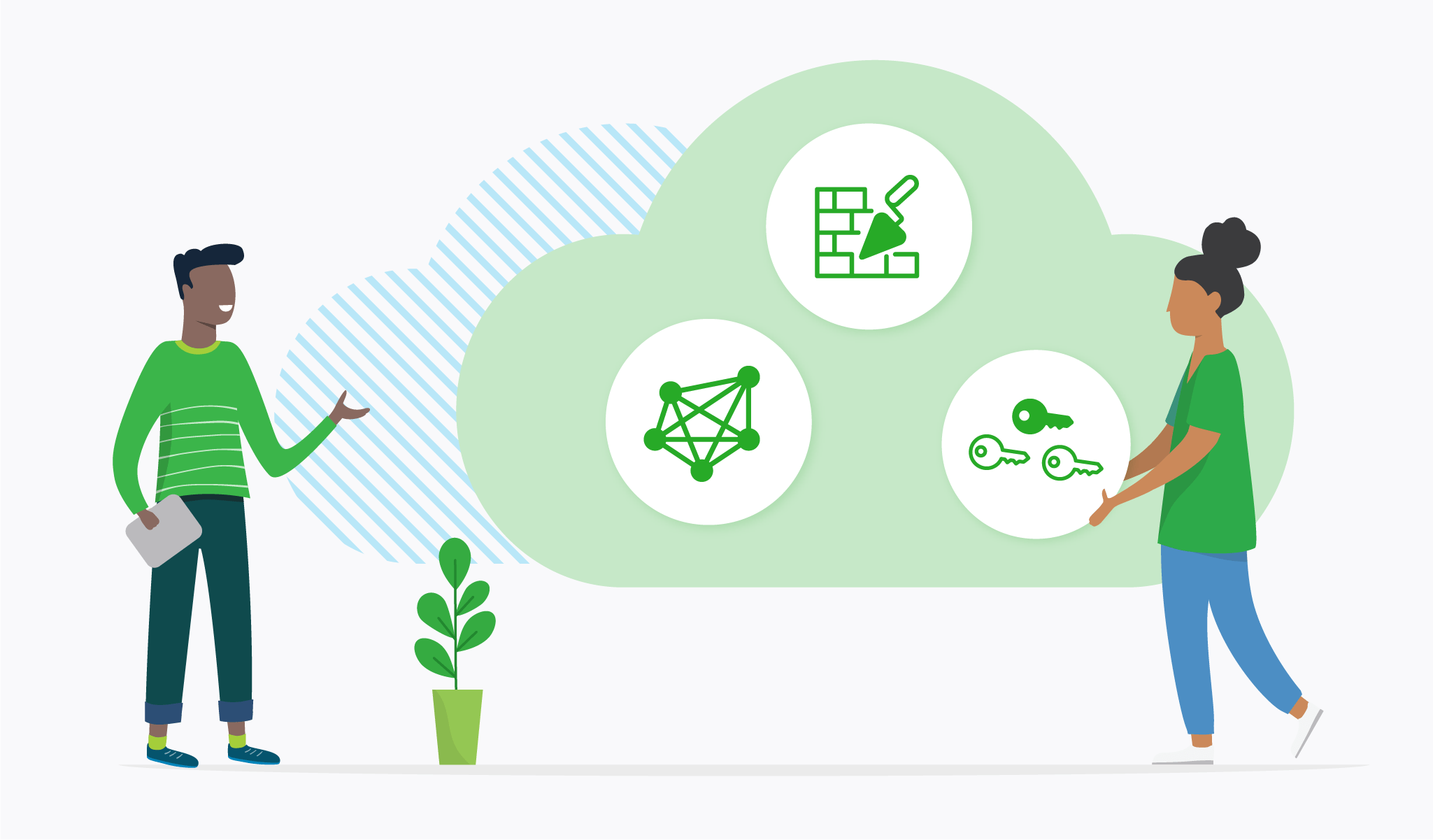
It simplifies how you deploy, secure, and monitor your entire fleet. To understand how it works, you need to know three core technical terms that form the backbone of a modern, secure print network.
- Edge Mesh
- Shift-left security
- “Always verify”
1. Edge Mesh
Our PaperCut Edge Mesh technology is the backbone of our new cloud-based print management product, PaperCut Hive. When we started brainstorming a cloud-native printing solution, we made the decision to start from scratch with a complete line-one code rewrite.
There were three big questions hovering around how best to go cloud-native:
- How do we make it secure?
- How do we leverage all of the cloud’s potential power for print?
- How do we make it simple?
We looked at how other fields in IT managed reliability between hardware and the internet, specifically in the Internet of Things (IoT). We borrowed concepts like edge computing and self-healing meshes to create a system that does not have a single point of failure.
While many cloud solutions run on a single server, our approach runs across multiple computers on your network.
This means that if one machine goes down, the rest of the mesh picks up the slack. It provides the multi-tenant benefits of a public cloud SaaS model while maintaining the resilience and speed of a local on-premise setup, and is designed to support your most common printers immediately. Plus, it will continue to scale as the platform matures.
PaperCut Edge Mesh brings you the best of both worlds - multi-tenant public cloud SaaS functionality and the security and resilience of on-premise print management.
2. Shift-left security
Security is the most critical consideration when building software for the public internet.
Unlike on-premise solutions where your data stays behind a corporate firewall, the public cloud requires data to travel across the internet. We often describe the public internet as the “Wild West” of networks, filled with potential threats looking to intercept your information.
Some providers take older private cloud software and simply host it in a public environment, but those security features were never designed for the open web.
We chose a different path called shift-left security, which means that security is not something we check for at the end of the project. Instead, it’s moved to the “left” of the product timeline, meaning it’s a core part of the architecture before the first line of code is written.
By baking security into the very inception of PaperCut Pocket, we ensure that data safety is a fundamental part of the product rather than an afterthought. It is the difference between a system that is naturally secure and one that is just wearing a public cloud label over a legacy design.
3. “Always verify”
The term “always verify” describes the security mindset required for a modern cloud network. It’s the point where our Edge Mesh technology and shift-left design principles intersect to protect your organization.
PaperCut’s cloud-native Edge Mesh technology, designed with shift-left principles, forms an “always verify” network. No component, person, or device is trusted by default from inside or outside the Edge Mesh – authentication is required from everyone at all times when accessing resources on your network.
In a traditional on-premise environment, the system often assumes that if you are physically inside the office or on the company Wi-Fi, you are trusted. In a cloud-native world, that assumption is a major security risk.
This Zero Trust approach is vital for the hybrid workforce. It ensures that your data remains safe even if a person is printing over an unencrypted Wi-Fi connection at a local café. By never assuming trust and always verifying identity, we significantly reduce the probability of a security breach.
This protocol is a core defense for teams utilizing PaperCut MF in a hybrid cloud configuration.
Building a resilient cloud infrastructure
Moving to the cloud is about adopting a more agile way of working that allows your IT team to stay focused on high-impact projects while your print infrastructure remains silent and efficient.
This proactive move prevents technical debt from piling up and ensures your network is ready for the hardware and security challenges of the future.
By utilizing these architectural pillars, you can provide a seamless experience for every staff member while maintaining a high level of control over your data.
Chat to us today make sure your printing is as modern as the rest of your digital workspace.